Unpacking Cross-Device Synchronization Challenges for Hybrid Poker and Progressive Slot Sessions in Swiss App Ecosystems
Clara Simmons · Oct 27, 2026

Unpacking Cross-Device Synchronization Challenges for Hybrid Poker and Progressive Slot Sessions in Swiss App Ecosystems
Swiss app ecosystems supporting hybrid poker and progressive slot sessions face persistent cross-device synchronization hurdles that stem from regulatory fragmentation across cantons, variable network conditions, and strict data handling rules. Operators must maintain consistent game states when players switch between smartphones, tablets, and desktop clients, yet latency spikes during peak hours often disrupt reel positions in progressive slots or hand histories in poker tables.
Research from the Swiss Federal Office of Communications indicates that mobile data handoffs between 4G and 5G towers create packet loss rates exceeding 8 percent in urban centers like Zurich and Geneva, forcing apps to queue synchronization packets and sometimes roll back player actions. This rollback mechanism preserves fairness for progressive jackpot contributions, but it can interrupt a poker session mid-hand when a device switches networks.
Technical Barriers in Real-Time State Management
Hybrid sessions compound these issues because poker requires precise turn order and betting sequences, whereas progressive slots track shared jackpot pools across thousands of simultaneous users. When a player moves from a mobile poker table to a tablet-based slot game, the app must reconcile two distinct data models without losing the progressive meter contribution earned during the poker phase. Developers address this through distributed ledger-style checkpoints that log every micro-transaction, yet storage limits on older devices force selective pruning of historical records.
Studies published by the European University Institute highlight that synchronization conflicts rise sharply when session length exceeds 45 minutes, particularly if one device enters low-power mode and throttles background processes. The result appears in delayed jackpot updates or mismatched chip counts that require manual intervention from support teams.
Regulatory Pressures Shaping Data Flows
Cantonal oversight adds another layer because each jurisdiction enforces separate logging intervals and encryption standards for player activity. Geneva and Vaud require sub-second audit trails for every bet placed in hybrid environments, while other cantons permit aggregated reporting every 30 seconds. This variance forces app developers to implement dynamic compliance modules that adjust synchronization frequency based on GPS location or user-selected canton preferences.
Observers note that upcoming infrastructure deadlines set for October 2026 in neighboring markets, such as Pennsylvania's skill game machine removals, have prompted Swiss operators to accelerate their own device compatibility testing schedules to avoid similar last-minute compliance scrambles.
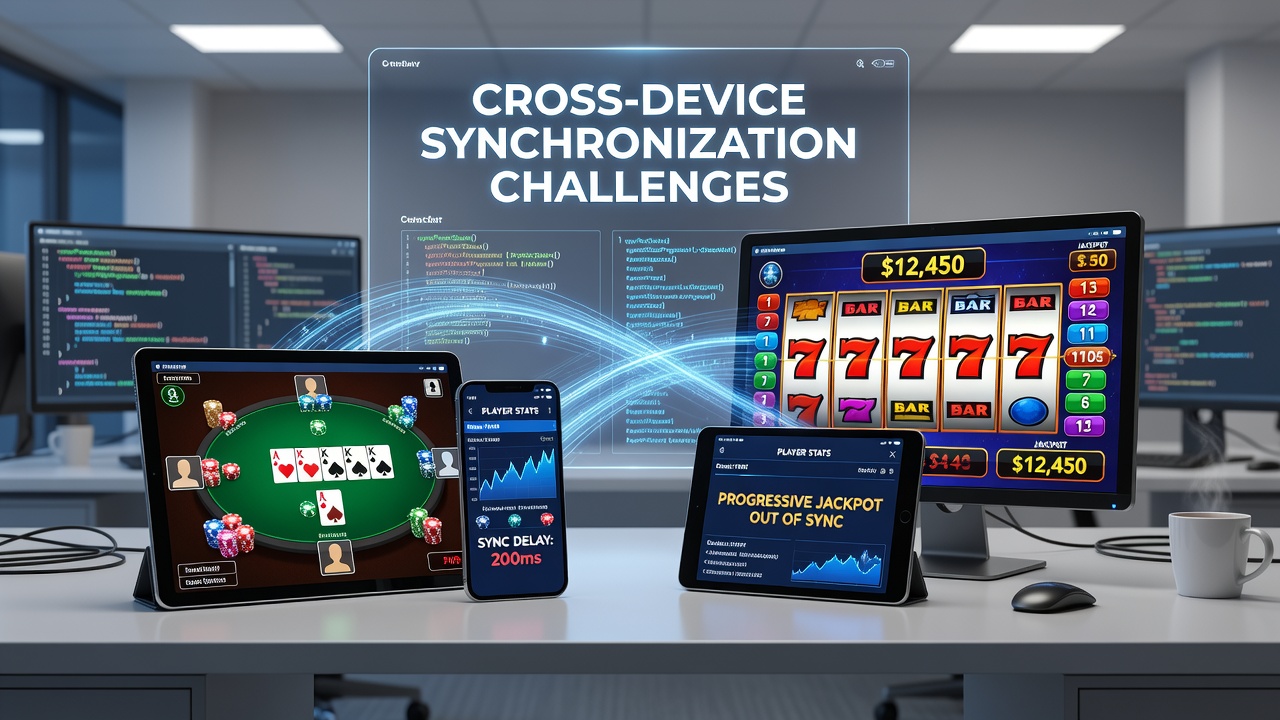
Network variability across Switzerland's alpine regions further complicates matters, as signal attenuation in mountainous areas delays the propagation of progressive jackpot increments to all connected clients. One documented case involved a player who initiated a poker hand on a train traveling through the Gotthard tunnel and later resumed the session on a slot machine in Basel, only to discover the jackpot meter had not reflected contributions made during the tunnel blackout.
Device Fragmentation adn API Constraints
Device fragmentation presents additional obstacles because iOS and Android handle background refresh differently, and older operating systems lack support for modern WebSocket protocols used in real-time poker lobbies. Progressive slot engines relying on continuous meter broadcasts therefore experience desync when users switch to devices running legacy software versions. Industry reports from the Gaming Technology Association show that nearly 22 percent of Swiss users still operate on platforms more than three years old, creating persistent compatibility gaps.
API rate limits imposed by telecom providers to manage congestion during major events also throttle the volume of synchronization calls an app can make within a given minute. This constraint becomes critical during high-traffic periods such as major sports tournaments, when hybrid players frequently toggle between poker tables and slot sessions to chase accumulating jackpots.
Emerging Mitigation Strategies
Developers have begun deploying edge computing nodes within Swiss data centers to pre-process state updates closer to users, reducing round-trip times for cross-device handoffs. These nodes cache recent game events and push delta updates rather than full state snapshots, conserving bandwidth while preserving regulatory audit requirements. Academic papers from ETH Zurich document measurable reductions in rollback frequency after such edge deployments, although adoption remains uneven across smaller operators.
Biometric re-authentication triggered on device switches adds another synchronization checkpoint, ensuring that the player resuming a session matches the original account holder. This step aligns with broader security mandates but introduces brief pauses that can affect time-sensitive poker decisions.
Conclusion
Cross-device synchronization in Swiss hybrid poker and progressive slot environments continues to evolve under combined pressures from cantonal rules, network realities, and hardware diversity. Data from multiple regulatory and academic sources demonstrates that solutions centered on adaptive logging, edge processing, and protocol standardization are gradually narrowing the gap between seamless player experiences and strict compliance demands. As infrastructure upgrades proceed toward 2026 targets, operators who refine these synchronization layers stand to deliver more stable sessions across the full range of Swiss app ecosystems.