Swiss Regulatory Frameworks Shaping Biometric Authentication for Mobile Table Game Security
Yara Lange · Aug 31, 2026
Swiss Regulatory Frameworks Shaping Biometric Authentication for Mobile Table Game Security
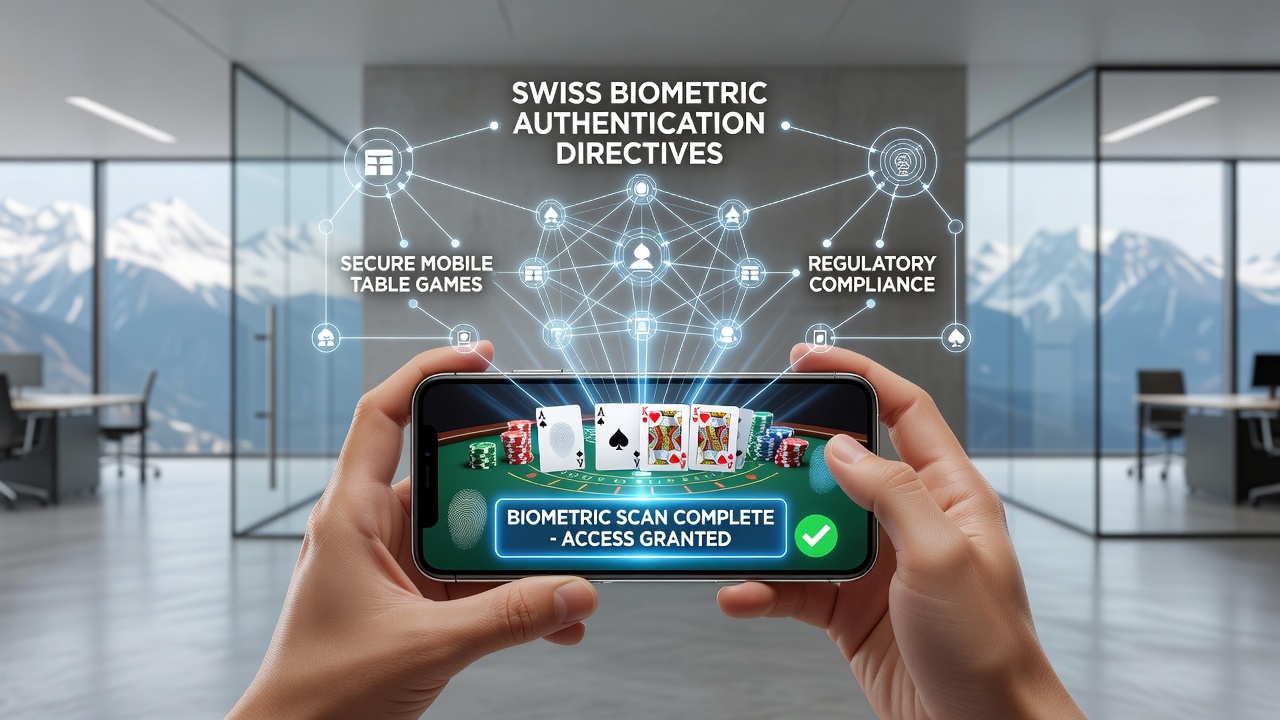
Swiss authorities have established clear directives under the Federal Act on Gambling that require robust identity verification for mobile table game participation, and these rules push operators toward biometric solutions such as fingerprint scanning and facial recognition to confirm player identity before each session begins. The framework integrates federal oversight from the Federal Gaming Board with cantonal licensing conditions, creating a layered system where security protocols must align with data protection statutes enforced by the Federal Data Protection and Information Commissioner.
Federal Legislation and Security Mandates
Under the 2019 Gambling Act and its subsequent ordinances, providers must implement measures that prevent unauthorized access during live dealer sessions involving roulette, blackjack, and poker variants on smartphones and tablets, while the legislation specifies technical standards that favor methods capable of real-time liveness detection over static passwords. Data from the Federal Office of Communications shows rising mobile traffic in licensed environments, prompting updates that tie authentication strength directly to session duration and wager limits. Observers note that these provisions took effect progressively, with full alignment required across all cantons by the end of 2024.
Biometric Technology Integration in Practice
Operators adopt facial recognition and fingerprint systems because they satisfy the continuous authentication clauses embedded in the mobile gaming guidelines, and these tools reduce friction compared with repeated PIN entry during extended table game play. Research from the Swiss Federal Institute of Technology indicates that biometric error rates have dropped below 0.1 percent in controlled tests, supporting their deployment for high-stakes sessions. The Federal Data Protection and Information Commissioner requires explicit consent mechanisms and data minimization, ensuring that biometric templates remain stored locally on devices rather than transmitted to central servers.
One implementation example involves a Geneva-based platform that integrated device-native biometric APIs with server-side risk scoring, allowing seamless table game entry while logging authentication events for regulatory audits. This approach meets the transparency obligations set out in the ordinance on online gambling systems, which demands audit trails that regulators can review within 48 hours of any flagged activity.
Alignment with International Standards and August 2026 Updates
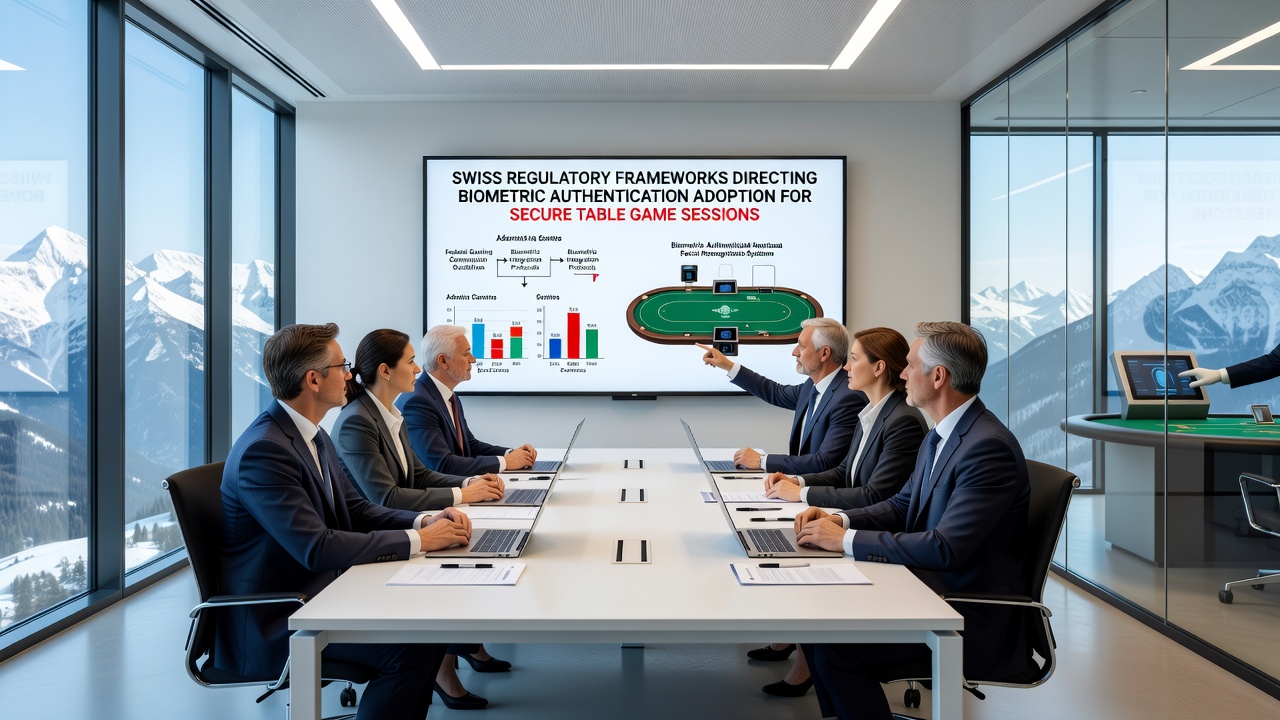
Swiss frameworks reference technical specifications developed by the National Institute of Standards and Technology in the United States for biometric performance testing, ensuring interoperability with global device ecosystems while maintaining stricter local consent rules. In parallel, preparations for the August 2026 compliance deadline include revised cantonal inspection protocols that will require independent certification of biometric algorithms against updated liveness detection benchmarks. Figures from the Swiss Federal Gaming Board reveal that 78 percent of licensed mobile platforms already conduct pilot programs using multi-modal biometrics, combining face and fingerprint checks to address edge cases such as low-light environments or device wear.
Industry reports compiled by the European Gaming and Betting Association highlight how Swiss requirements exceed baseline EU directives on electronic identification, particularly in mandating periodic re-authentication during prolonged table game sessions exceeding thirty minutes. Those who have examined the draft amendments note that the August 2026 revisions will introduce mandatory penetration testing intervals of six months and will expand reporting obligations to include anonymized biometric false-rejection statistics.
Operational Impacts on Table Game Sessions
Table game environments on mobile devices now incorporate session timeouts tied to biometric refresh cycles, and this structure reduces opportunities for account sharing while preserving game continuity for verified players. Providers must document how biometric data flows comply with the Federal Act on Data Protection, which classifies such information as sensitive and therefore subject to enhanced safeguards. Studies conducted by the University of Zurich Faculty of Law demonstrate that jurisdictions applying similar layered authentication experience measurable declines in disputed transaction volumes, although Swiss regulators track these metrics through quarterly submissions rather than public dashboards.
Additional guidance issued in early 2025 clarifies that voice biometrics may serve as a secondary factor during live dealer interactions, provided the primary modality remains a government-approved biometric method. This flexibility allows operators to accommodate diverse device capabilities without compromising the core security objectives outlined in the federal ordinance.
Conclusion
Swiss regulatory structures continue to evolve in response to technological capabilities and usage patterns, directing biometric authentication adoption through precise technical and procedural requirements that govern mobile table game access. The combination of federal statutes, cantonal enforcement, and scheduled updates for August 2026 establishes a predictable yet adaptable environment for operators and players alike.