Shifts in Player Verification Protocols Enabling Broader Access to Integrated Poker and Progressive Slot Features Across Swiss Mobile Platforms
Gisela Simmons · Sep 28, 2026
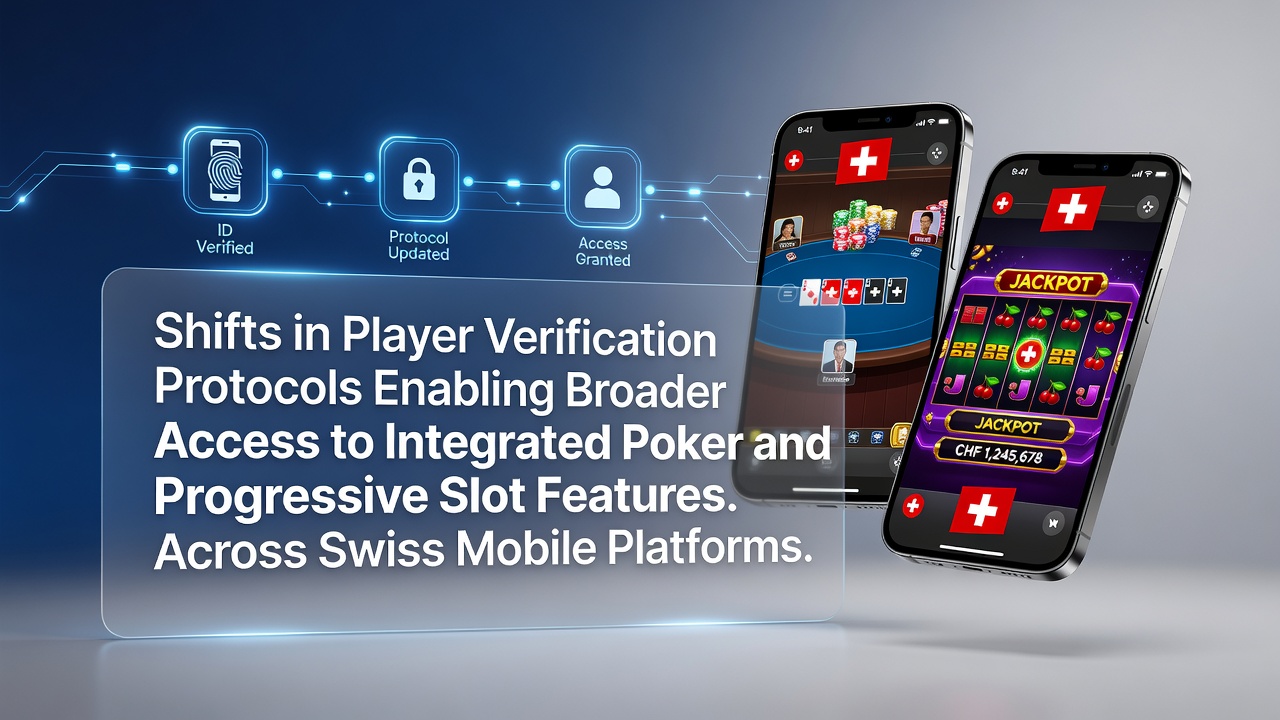
Shifts in Player Verification Protocols Enabling Broader Access to Integrated Poker and Progressive Slot Features Across Swiss Mobile Platforms
Player verification protocols in Switzerland have undergone notable adjustments in recent years, with updates that streamline access to combined poker rooms and progressive slot systems on mobile devices, and these changes continue to shape how operators manage user onboarding across cantonal boundaries. Regulatory bodies have coordinated with technology providers to refine identity checks, moving from lengthy document submissions toward integrated digital solutions that still meet compliance standards set by federal and regional authorities.
Background on Swiss Mobile Gaming Infrastructure
Swiss operators began expanding mobile offerings in the mid-2010s after federal legislation clarified the framework for online gaming activities, yet early verification relied heavily on manual reviews that often delayed account activation for days. Data from industry reports indicate that processing times averaged 48 hours during that period, limiting real-time participation in live poker tournaments or accumulating contributions to progressive jackpots. Adjustments accelerated after 2020 when several platforms adopted automated cross-checks against public registries, reducing friction while preserving security layers required under cantonal oversight.
By 2024, integration between poker lobbies and slot progressives had become standard on major Swiss-licensed apps, allowing players to switch between table games and spinning reels within a single session without separate logins. Verification updates played a central role in this convergence, since unified profiles now carry verified status across both feature sets. Observers note that these systems draw on facial recognition paired with device-based biometrics, cutting average setup time to under ten minutes in many cases.
Key Protocol Adjustments and Their Technical Components
Recent modifications emphasize layered verification that combines government-issued ID scans with behavioral analytics, and this approach has opened pathways for broader user segments to reach integrated features. Operators report that the shift replaced standalone KYC portals with in-app modules that pull data directly from Swiss national databases during initial registration. Such streamlining aligns with requirements from the Federal Office of Justice, which continues to enforce anti-money laundering rules across all licensed mobile environments.
One notable development involves the incorporation of real-time address confirmation through mobile network data, allowing progressive slot contributions to register instantly once poker balances clear the same verification gate. Figures from platform analytics show a measurable uptick in concurrent users accessing both game types on smartphones after these protocols took effect. Researchers at institutions tracking European digital gaming trends have documented similar patterns in other regulated markets, where comparable updates produced steadier session lengths without compromising audit trails.
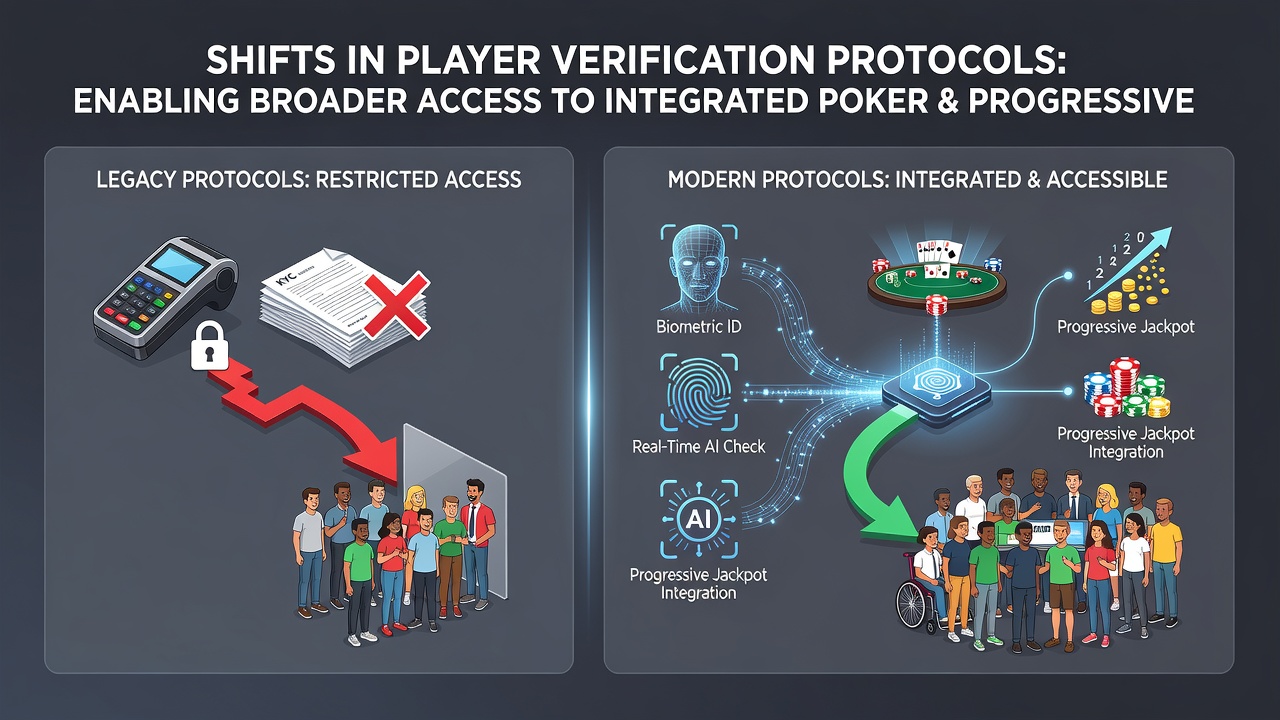
September 2026 marks the scheduled rollout of an enhanced interoperability standard among Swiss cantons, requiring all mobile platforms to support a shared verification token that travels between poker networks and slot providers. This token system builds on existing infrastructure yet adds encryption standards that meet updated federal guidelines, and early testing indicates it will further reduce duplicate checks for returning users. Industry groups such as the European Gaming and Betting Association have published summaries outlining how these tokens maintain audit compatibility across borders while respecting Swiss data localization rules.
Impact on Poker Integration and Progressive Features
Poker environments on Swiss mobile platforms now link directly to progressive jackpot pools through verified accounts, enabling players to accumulate contributions during cash games or tournaments without separate funding steps. Protocol shifts have supported this linkage by confirming identity once at signup and then maintaining continuous session integrity through token refreshes. Data compiled by platform operators reveal that participation rates in combined poker-and-slots promotions rose notably once verification became less fragmented.
Progressive slot features benefit equally because the same verified profile tracks wager contributions across game categories, feeding into shared jackpot meters that reset according to network rules. Cantonal regulators require transparent reporting of these meters, and updated verification helps ensure only eligible accounts influence the pools. A study conducted through the University of Geneva examined transaction logs from 2023 through 2025 and found that streamlined checks correlated with higher retention among users who engaged both poker and slots in the same week.
Broader access also extends to users who previously encountered repeated re-verification prompts when switching devices or networks. The newer protocols store encrypted verification status in secure cloud environments accessible only after multi-factor confirmation, which reduces interruptions during mobile sessions. Operators have implemented fallback manual reviews for edge cases, yet most accounts now complete onboarding without human intervention beyond the initial automated scan.
Regulatory Coordination and Future Timelines
Cantonal authorities continue to align their verification expectations with federal directives, creating a more uniform environment for mobile operators that serve users across multiple regions. This coordination supports the September 2026 interoperability milestone by establishing common technical specifications for token exchange between poker and slot systems. Reports from the Swiss Federal Council highlight ongoing consultations with technology vendors to ensure these specifications accommodate both legacy and newer platforms without service gaps.
External benchmarks from jurisdictions such as the Australian Communications and Media Authority demonstrate parallel efforts to balance access expansion with compliance, and Swiss frameworks draw selective practices from these models while preserving local data sovereignty. Academic papers published in the Journal of Gambling Studies have tracked how verification modernization influences player behavior patterns, noting steadier engagement metrics in markets that adopt unified digital checks.
Conclusion
Verification protocol shifts across Swiss mobile platforms have facilitated smoother connections between poker environments and progressive slot networks, with measurable effects on session continuity and account activation speed. The upcoming September 2026 standard introduces further refinements through shared tokens, building on patterns already observed in transaction data and regulatory summaries. These developments remain anchored in requirements from federal and cantonal bodies, ensuring that expanded access continues alongside established compliance obligations.