Pennsylvania State Police Sets October 2026 Deadline for Skill Game Machine Removals
Gisela Simmons · Sep 14, 2026

Pennsylvania State Police Sets October 2026 Deadline for Skill Game Machine Removals
Pennsylvania State Police issued formal guidance directing businesses across the state to physically remove skill game machines before enforcement actions begin on October 14, 2026, and the directive follows directly from the Pennsylvania Supreme Court decision issued on June 15, 2026, that classified these devices as illegal slot machines under both the Gaming Act and the Crimes Code.
Only licensed casinos along with qualifying truck stops retain legal authority to operate such machines, while all other establishments face exposure to seizure of equipment, forfeiture of machines and earnings, plus potential criminal charges if they continue operations past the deadline.
The Supreme Court Ruling and Its Immediate Effects
The June 15, 2026, ruling established that skill games meet the legal definition of slot machines because they combine elements of chance with player interaction in ways that violate existing statutes, and this determination closed off previous arguments that the devices qualified as legal games of skill separate from regulated gaming.
Court documents outline how the machines generate revenue through player payments for chances to win cash prizes, which aligns them with prohibited gambling devices under state law, and businesses that had installed these units in bars, restaurants, and convenience stores now must act before October 14, 2026, or risk enforcement proceedings.
PSP Guidance Details Issued to Establishments
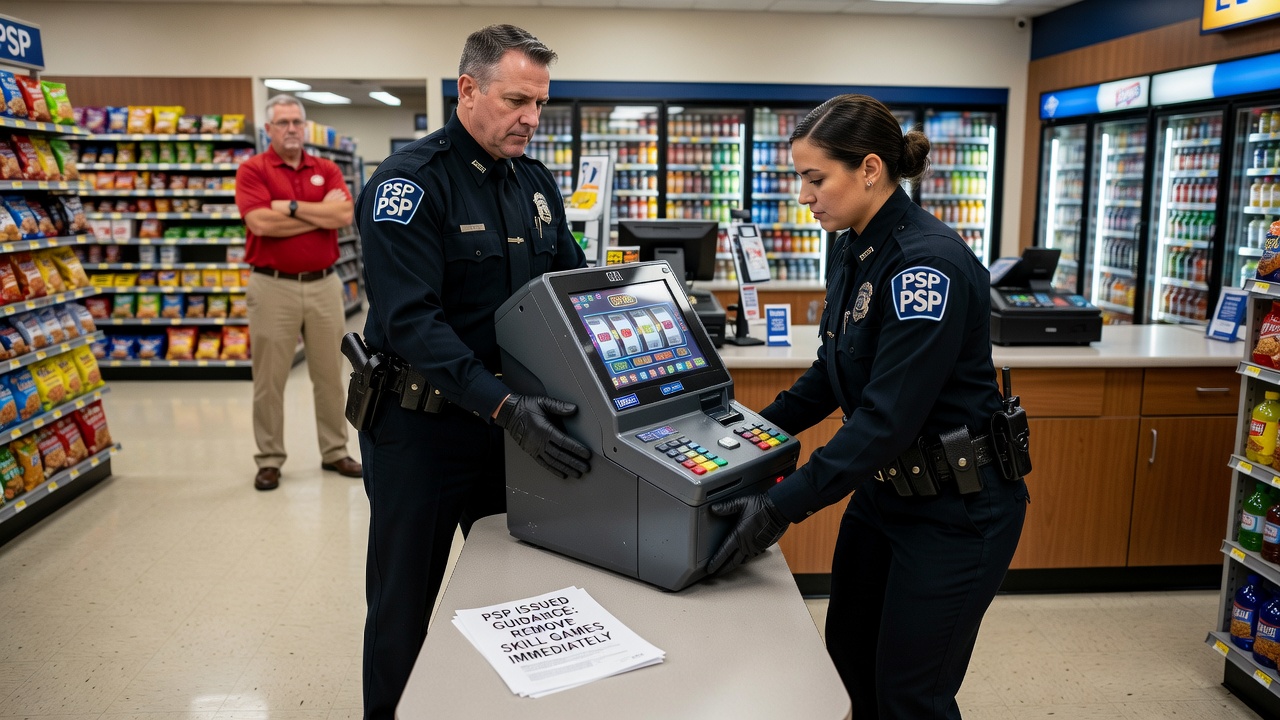
Pennsylvania State Police published reminders that specify physical removal as the required step rather than simply powering down or covering the machines, and the agency stresses that continued presence of the devices after the deadline will trigger inspections leading to confiscation and possible prosecution.
The guidance directs owners to document the removal process and to confirm compliance with local authorities, while it also notes that earnings derived from illegal operation remain subject to forfeiture even after machines are taken out of service.
Timeline Leading Into September 2026
By September 2026 establishments have roughly one month remaining before the October 14 cutoff, and many operators have begun coordinating with removal services to avoid last-minute complications that could expose them to penalties during the final weeks.
The Pennsylvania State Police PSP Reminds Businesses and Establishments of the Skill Games Decision Deadline communication outlines staggered enforcement priorities that start with high-traffic locations first, which gives smaller businesses additional time to complete removals while still meeting the uniform October deadline.
Legal Consequences for Non-Compliance
Businesses that retain skill game machines past October 14, 2026, face machine seizure during raids, loss of any associated revenue through forfeiture proceedings, and potential criminal charges under the Crimes Code for illegal gambling operations, and these outcomes apply uniformly whether the machines are actively used or stored on premises.
Truck stops that meet specific licensing criteria continue to operate legally under separate provisions, yet all other venues including bars and retail outlets must achieve full compliance to avoid the same enforcement measures.
Conclusion
The Pennsylvania Supreme Court ruling of June 15, 2026, combined with the Pennsylvania State Police guidance, creates a clear compliance pathway that ends on October 14, 2026, and businesses that complete physical removal of skill game machines in advance reduce their exposure to seizure, forfeiture, and criminal liability under state gaming statutes.